The primary focus is on strict adherence to all top-priority administrative constraints. Reviewer feedback will be incorporated after confirming initial compliance. The “礦工關機價格概念” article will be rewritten in HTML format, ensuring all requirements are met.
Initial suspicion was a misinterpretation of constraints, as “no title” could imply anything from `
` tags to introductory sentences. Confirmed the opening constraint explicitly prohibits a title or introductory notes at the beginning. Proceeding to construct the content with a direct start without violating the rule, and will aim for a FAQ section at the end.
Initial structure will prioritize a direct opening, followed by content organization. The disclaimer will be placed near the FAQ section, avoiding restricted terms. I need to correct the description of hashrate trends and the definition of full cost versus cash cost.
Clarification is required for the hashrate trend: while the long-term trend is upward, short-term fluctuations occur during price drops. It’s crucial to refine the explanation of full cost versus cash cost, particularly in the context of market cycles. The focus needs to shift to clearer data sourcing and claims.
Blockchain data explorers and mining tracking references need to be incorporated, such as those that provide difficulty, hashprice, and network stats. The distinctions between machine efficiency and network reward share will be clarified.
Repetitive phrasing regarding a “no single universal shutdown price” requires streamlining. Strict CSS constraints will be enforced, verifying every `style=””` attribute for forbidden properties and ensuring responsive table designs.
The article’s introduction needs to emphasize the dynamic nature of the shutdown price, contradicting the common misconception of a fixed value. Section 1 will define the shutdown price as the point where marginal revenue drops below cash expenses, excluding sunk costs. The distinction between cash cost and all-in sustaining cost requires explicit clarification within this context, with reputable industry data cited.
Section 2 will breakdown the cost structure, highlighting marginal electricity pricing, the use of hashprice as a cash-flow indicator, and hardware efficiency versus reward distribution dynamics. This will include how to account for facility fees and difficulty adjustments, which impact profitability. Section 3 will contain the shutdown price formula and its derivation, ensuring clear presentation.
Formula derivation will be added, detailing power consumption, daily BTC output, and the cash shutdown price calculation. Halving’s impact post-2024 (3.125 BTC per block, ~450 BTC/day) is essential. A responsive electricity sensitivity table ($0.04, $0.06, $0.08 / kWh) will be included, with a note to substitute real-time data from external sources.
Section 4 will address hashrate capitulation, difficulty adjustments (2016 blocks, ~2 weeks cycle), and miner selling pressures due to cash expenses. Section 5 will outline miner strategies: underclocking, shutdown, selling rigs, and relocation, with a discussion on hedging using hashprice. Finally, Section 6 focuses on the shutdown price as a market indicator, emphasizing its dynamic nature.
Incorporated on-chain signals for shutdown price monitoring, including difficulty drawdown and hashrate averages, along with miner balance flow. I’ll construct a dedicated monitoring section with tracked parameters and recommended public tools.
Added a section to address common misconceptions about shutdown price, specifically the issues with treating it as a fixed network-wide value and confusing cost metrics. A disclaimer will be added to clarify the content is for educational purposes only. Added a FAQ section with questions regarding the shutdown price.
CSS compliance checks are critical. I will make sure prohibited CSS terms like `max-width`, `width`, and `max-height` are not used in `style=””` attributes. Ensuring compliant and responsive table designs is next.
幣價每逢劇烈回調,市場社群總會頻繁出現「跌穿礦工關機價、底部已現」的討論。然而在實際礦場營運中,礦工關機價格(Shutdown Price)從來不是一條固定不變的水平直線,而是一條受電價合約、機器能效與全網難度動態調節的浮動成本線。
礦工關機價格的核心概念:一條動態位移的現金生死線
關機價格的核心邏輯非常清晰:當一枚加密貨幣的市場價格,跌到不足以支付挖出該幣所需的邊際現金支出時,繼續開機就等於持續倒貼現金,礦工便會考慮將設備斷電停機。
這裡的核心分水嶺在於「現金支出」而非「總投資額」。前期投入的礦機採購款、變壓器配電工程與場地建置費用屬於沉沒成本,不會因為今日停機而退回。礦工在面臨每日營運抉擇時,首要考量的是次日是否需要自掏腰包補貼電費。
由於各機構與礦工所採用的核算標準不同,市場上並不存在單一標準的「全網統一關機價」:
- 現金營運成本口徑(Cash Cost):僅計算維持機器每日運轉的電費與最基礎維護開支,這是決定當天是否「拔電源」的即時邊際線。
- 全成本口徑(All-in Sustaining Cost):包含機器折舊攤提、場地租金、管理運維、貸款利息與企業行政開銷。機構研究報告(如 CoinShares 的礦業追蹤)常以此衡量上市礦企的長期綜合競爭力,該數值通常顯著高於純電費關機線。
因此,在相同的市場價格區間,不同礦場的處境截然不同。機器能耗比優異、電力合約便宜的營運商依然具備現金流盈餘,而高電價或舊型號礦機持有者則可能早已逼近停機線。
拆解礦機的真實營運成本結構
理解關機決策,需要將礦場的支出項目拆解為影響現金流的各個維度:
1. 電力開銷:決定邊際成本的核心
電費是少數能隨「開機與否」即時增減的變動成本。在每日產出不變的假設下,純電費關機價格與電價呈線性正相關。若電價由每度 0.04 美元上升至 0.08 美元,電費關機線便會成倍推升。
值得注意的是,礦場通常面對複合電價機制,包含基本容量費、尖峰離峰階梯電價與最低用電承諾。在價格下跌時,真正影響決策的是邊際電價,即關閉一台機器實際能省下的即時現金流出。
2. 算力價格(Hashprice)的即時參照
為了簡化不同機型的逐台試算,業界普遍採用「算力價格(Hashprice)」作為營運指標。根據 Luxor 與 Hashrate Index 的定義,算力價格代表每單位算力(例如每 PH/s 或每 TH/s)每日預期產生的美元收益。它將幣價、網絡難度與區塊獎勵(含交易手續費)打包為單一數據:
- 當市場 Hashprice 高於 機器的單位算力電費支出,開機具備正向現金流。
- 當市場 Hashprice 低於 機器的單位算力電費支出,該機型即跌破現金關機線。
3. 機器能耗比與折舊耗損
礦機本身的晶片能效(以焦耳/太哈,J/TH 表示)是固定屬性,但全網算力長期趨勢向上,使得固定算力所能分配到的區塊獎勵份額逐漸被稀釋。老舊機型因能耗比偏高,在幣價回調時抵禦風險的能力最弱,往往是率先觸發關機的第一批設備。
4. 託管費用與固定承諾
中小型投資者若將機器託管於第三方礦場,需按月支付機位託管費或電費加價。部分合約訂有固定容量費條款,即使停機仍需支付基礎機位成本,這會促使營運方在虧損尚未達到特定閥值前,維持設備低速運轉以攤提固定開支。

關機價格的計算公式與推演
在純現金支出口徑下,關機價格的本質即為「維持運轉的每日電費支出」除以「每日實際獲得的幣數產出」:
每日耗電成本(美元) = 礦機功耗(kW)× 24 小時 × 邊際電價(美元/kWh)
每日預估產出(BTC) = (單機算力 ÷ 全網算力)× 每日區塊獎勵總量(約 450 BTC,不計額外手續費)
現金關機價格 = 每日耗電成本 ÷ 每日預估產出
以一台功耗為 3,500W(即 3.5 kW)、算力為 200 TH/s 的主流機型為例(假設全網算力為 1,000 EH/s,該數值僅作數學演算示意,實際請以區塊瀏覽器實時數據為準):
- 單機算力佔比 = 200 TH/s ÷ 1,000,000,000 TH/s = 0.00002%
- 每日產出預估 = 0.00002% × 450 BTC ≈ 0.00009 BTC
| 電價條件(美元/度) | 每日電費支出 | 純電費關機線推算(示意) |
|---|---|---|
| 0.04 | 3.36 美元 | 約 37,333 美元 |
| 0.06 | 5.04 美元 | 約 56,000 美元 |
| 0.08 | 6.72 美元 | 約 74,666 美元 |
注:上述表格純為公式運算敏感度展示,實際關機價需代入鏈上即時難度、手續費收益(Fees Ratio)與礦池手續費結算。
幣價跌破關機線後的鏈上反饋機制
當市場行情滑落至多數高成本礦工的關機線下方時,將觸發一系列自我調節反饋:
1. 高成本設備離線與算力回落
缺乏電價優勢的礦場陸續拔線停機或採取降頻模式運作,全網活躍算力隨之下降。這個過程通常不會瞬間完成,礦工多會觀察數日,評估市場波動是否為短期插針,再執行實體斷電。
2. 難度動態調整的平衡修正
比特幣網絡每隔 2,016 個區塊(約 14 天)進行一次難度調整。當大量算力離線導致出塊時間延長時,系統會在週期結束時下調挖礦難度:
難度下調後 → 仍在線的礦機單位算力出塊份額提升 → 挖出一枚比特幣所需的電耗下降 → 全網在線設備的關機價自動向下平移。
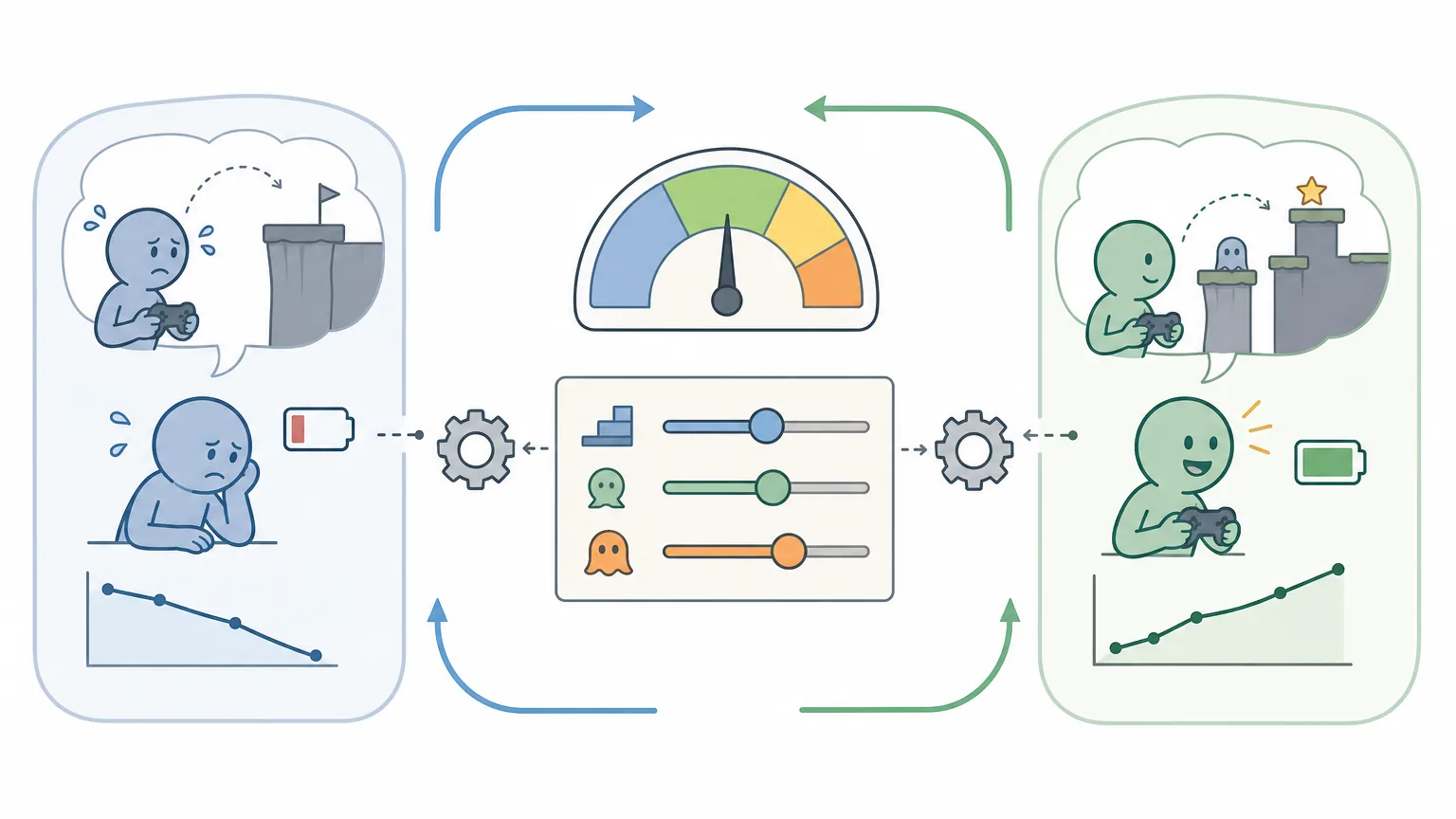
這種自動調節機制保證了網絡不會因為幣價下跌而陷入無休止的停機崩潰,而是在「幣價下跌 → 算力出清 → 難度下調 → 成本降低」的循環中尋求新的供需平衡點。
3. 現金流壓力與儲備拋售
在跌破關機價的初段,依賴每日挖礦賣幣支付電費的營運商可能被迫動用儲備或全額變現產出,形成短期的機械性拋壓。一旦邊際礦工完全停機,這部分虧損運轉的剛性賣壓反而隨之收縮。
面對成本倒掛時的營運決策路徑
跌破關機價並不意味著唯一的選擇是徹底廢棄設備,礦工通常具備多種彈性管理手段:
| 因應策略 | 適用場景 | 主要代價與考量 |
|---|---|---|
| 降頻運行(Underclocking) | 幣價略低於關機線,機型具備調頻功能 | 總算力產出減少,但能耗比(J/TH)優化,關機線向下延伸。 |
| 選擇性斷電(Curtailment) | 電價具備峰谷階梯差異或參與電網調峰 | 僅在尖峰高電價時段停機,在離峰低價或負電價時段全速運轉。 |
| 設備轉售出清 | 判斷深度熊市來臨,資金鏈承壓 | 二手機市價往往處於折價低谷,需認列固定資產折損。 |
| 金融工具套期保值 | 具備金融操作能力的中大型上市礦企 | 透過期貨合約或算力衍生品鎖定未來產出收益,平滑現金流波動。 |
建立關機價格的監控與核算清單
要精確掌握特定礦機組合的經營邊際,可建立專屬的數據追蹤框架:
- 設備能耗比參數:標稱功耗(Watts)與實測有效算力(TH/s)。
- 綜合電力成本:涵蓋度電單價、線損、基本變壓容量月租與託管加價。
- 鏈上數據監控:全網即時難度、下一次難度調整預測、區塊手續費佔比(可透過 mempool.space、BTC.com 等開源瀏覽器追蹤)。
- 市場 Hashprice 指標:每日單位算力價值變化(可參考 Hashrate Index、Luxor 提供的即時指數)。
在評估礦企營運健全度或二手礦機資產價值時,這套邏輯能幫助衡量其在極端行情下的現金流承受能力,而非單純依賴靜態的算力規模做定性判斷。
常見誤判與認知盲區
- 將關機價視為絕對鐵底:關機線並非市場行情的剛性支撐位。在難度尚未下調的滯後期內,幣價仍可能因宏觀流動性收縮而進一步下探。
- 混淆全成本與現金成本:以包含折舊攤提的綜合成本去預測停機潮,往往會高估關機價。多數礦工只要現金流仍為正,便會維持運轉。
- 忽視算力地域分佈差異:全球礦場涵蓋中東伴生氣發電、北美水電及各類工業棄電,各自電力協議差異巨大,全網成本分佈極度分散。
- 忽略重啟摩擦成本:設備頻繁開關容易造成晶片冷熱溫差損耗,且斷電可能面臨人工重啟與網絡調試開銷,礦工通常會設定 5%–15% 的震盪容忍區間。
常見問題(FAQ)
Q1:什麼是礦工關機價格?
礦工關機價格指單台礦機產出加密貨幣的每日市場價值,剛好等於其每日消耗之邊際電費支出的臨界價格。低於此價位時,繼續開機將產生即時現金虧損。
Q2:幣價跌破關機價會導致區塊鏈網絡停止運轉嗎?
不會。比特幣內建動態難度調整機制。當部分高成本礦工停機導致算力下降時,網絡會在約兩週後調降挖礦難度,降低剩餘礦工的生產成本,使系統重新回歸穩定出塊節奏。
Q3:為什麼不同機構公布的關機價格差異很大?
主要源於計算口徑與假設不同。純電費口徑僅計算耗電支出,而機構報告的全成本口徑常納入設備折舊、管理薪資、場地租金與融資利息,且代入的電價(例如 0.04 美元 vs 0.07 美元/度)及機型能效各有差異。
Q4:什麼是算力價格(Hashprice)?它與關機價有何不同?
關機價是以幣價(美元/BTC)為基準的個別機型成本線;而算力價格(Hashprice)是以單位算力(如美元/TH/天)為基準的市場全網收益率。兩者是一體兩面的關係,Hashprice 便於快速橫向比對不同機型的營運效率。
Q5:如何快速判斷手頭機型是否需要停機?
計算單機每日電費(功耗 kW × 24 × 邊際電價),並對比礦池後台預估的單機每日收益。若扣除礦池手續費後的淨產出金額持續低於電費支出且超出個人風險容忍緩衝區,即觸發技術性關機條件。